The Best Fluffy Pancakes recipe you will fall in love with. Full of tips and tricks to help you make the best pancakes.
CHEAPUNO guide
How to log silent wins and bug catches for credit
Implement lightweight logging for invisible fixes so your team can see the work that saves money and prevents issues.
Cover

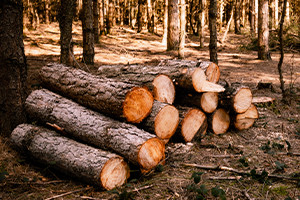
Photo: StockSnap (CC0)
Spotlight
PAGE: https://alison.com/course/logging-techniques-and-practices
PROMISE: Structure silent work with professional logging frameworks
WHO: Ops managers establishing a culture of documented preventive work
WHYNOW: Current manual tracking is inconsistent and credits silent work poorly
DESC: Learn about modern logging in this course that lays out logging techniques, regulations, worker and environmental safety measures and sustainable initiatives.
BEFORE: Preventive work is undocumented and forgotten
BEFORE: No consistent method exists to record background tasks
BEFORE: Team members lack a standard for reporting silent efforts
AFTER: Preventive work is captured through structured logs
AFTER: A consistent method exists to record background tasks
AFTER: Team members follow a standard for reporting silent efforts
GAIN: A framework for defining what silent work must be documented
GAIN: Identification of tools suitable for operational logging
GAIN: Training principles that ensure consistent team documentation
STEP: Feeling that background maintenance is invisible to stakeholders || Outline the purpose and importance of logging regulations and safety practices || Define clear standards for what constitutes recordable silent work
STEP: Scrambling to find tools to track recurring bug prevention tasks || Identify essential logging equipment and tools || Select the right software or methods to capture and store work logs
STEP: Team members unsure how to document their preventive contributions || Discuss various aspects of occupational health, safety and training that pertain to logging || Train staff on consistent documentation habits to credit their effort
NOTFOR: Developers needing code-specific unit testing strategies
NOTFOR: Users looking for automated bug tracking configurations
FACT: Average duration: 1.5-3 Hours (Contains Video)
FACT: CPD-accredited certificate available
FACT: Advanced level
COVERS: Outline the purpose and importance of logging regulations and safety practices
COVERS: Identify essential logging equipment and tools
COVERS: Discuss various aspects of occupational health, safety and training that pertain to logging
COVERS: Describe logging logistical operations and supply chain management
COVERS: Explain various logging techniques and procedures
COVERS: Outline log yard operations and processing, including log sorting and storage
COVERS: Discuss logging’s ethics, regulations, safety and sustainable practices
COVERS: Describe advanced logging practices and technology
COVERS: Supply Chain Management
COVERS: Sustainability
COVERS: Course Overview
MODULE: Introduction to the Logging Industry || Introduction to Logging Industry | Occupational Health and Training | Logistical Operations and Supply Chain Management | Logging Techniques and Procedures | Log Yard Operations and Processing | Ethical and Legal Considerations | Environmental Sustainability and Conservation | Advanced Logging Practices and Technology
What you are probably seeing
You review code or metrics and notice stable systems, but there is no record of the specific retries, validation checks, or blocked diffs that kept them that way. The effort spent catching edge cases feels invisible because the output is simply the absence of a failure.
Your team recognizes only visible features in reports, leaving the defensive work uncredited. You find yourself defending your value based on intuition because there is no audit trail to prove how many silent errors were stopped before they reached users.
Why it happens
Most logging and reporting tools are designed to track active events like new features or user actions, not the null events of things that did not happen. The infrastructure required to detect and document a prevented bug is rarely built, so the work happens in the background without a permanent record.
Credit systems in small teams rely on visible deliverables. Since stopping a bad deployment or handling a webhook retry does not produce a new user-facing artifact, it slips through the gaps of standard performance reviews and project tracking tools.
What changed recently
Step by step
1. Add a dedicated comment section in your pull request template specifically for noting when you blocked a risky change, including the specific input that triggered the concern and the exact diff you prevented.
2. Create a shared document where the team logs any incident that was caught before it impacted a customer, focusing on the specific code or logic that saved the day.
3. Standardize your webhook and API error handling to write a log entry whenever a retry succeeds or a validation check stops a malformed request from proceeding.
4. Schedule a fifteen minute review each week to scan these logs and acknowledge the team members who made the silent catches during your standup or retro.
5. In your next performance discussion, reference these specific log entries to demonstrate the reliability work you performed rather than just the features you shipped.
Ways to go further
 Start here: Logging Techniques and Practices For when you want to set up a system to log silent work. Open the free course on Alison ↗
Affiliate links: CHEAPUNO may earn a commission if you buy through them, at no extra cost to you.
Other problems readers raise
How do I stop vague blockers from delaying launch?
Does Claude’s Google sidebar beat built-in Gemini?
Is a 42% off HP laptop with Office 365 a good deal?