The Best Fluffy Pancakes recipe you will fall in love with. Full of tips and tricks to help you make the best pancakes.
CHEAPUNO guide
Does Shopify charge hidden fees not shown on plan pages?
Check how advertised subscription rates differ from the final amount charged on credit cards to find any missing fees.
Cover

Photo: StockSnap (CC0)
Spotlight
PAGE: https://alison.com/course/how-to-start-an-ecommerce-business-using-shopify
PROMISE: Clarify what the course covers to check for hidden fees versus the free training content.
WHO: People starting an online business who want to verify course content before enrolling.
WHYNOW: Starting a business requires verifying that free resources actually cover the basics without hidden costs.
DESC: Learn how to start a Shopify store in this Shopify tutorial that explains everything you need to know to market and maintain a successful e-commerce business.
BEFORE: You see a free course title but do not know which parts are paywalled.
BEFORE: You wonder if the advertised duration includes hidden fees for extra content.
BEFORE: You are unsure if the certificate is optional or required to finish the learning.
AFTER: You confirm which specific modules are available without payment.
AFTER: You verify that the core duration is included in the free access.
AFTER: You understand the certificate is optional and not needed for the course content.
GAIN: Clear view of which e-commerce topics are in the free package.
GAIN: Confirmation that store development steps are included without extra cost.
GAIN: Understanding of marketing options available in the free tier.
STEP: You see an optional paid certificate next to the free course listing. || Describe the process of performing a product research || Compare the free course modules against the paid certificate value to decide if the upgrade is needed.
STEP: You worry the advertised duration hides behind paywalled sections. || State the steps involved in developing your first Shopify store || Verify that the core store setup steps are included in the free access tier before committing time.
STEP: You fear marketing costs are hidden in the curriculum structure. || Summarise the various marketing options || Check if the marketing strategies listed are available in the free portion or require extra spending.
STEP: You cannot tell which outcomes are part of the free package. || E-Commerce || Map the e-commerce topics to the free course outline to confirm no hidden fees are required for basics.
NOTFOR: Readers who need to avoid all online courses entirely.
NOTFOR: Users who require instant access without checking course details first.
FACT: Average duration: 1.5-3 Hours (Contains Video)
FACT: CPD-accredited certificate available
FACT: Advanced level
COVERS: Explain the advantages of the Shopify platform
COVERS: Outline the procedures for getting your business up and running
COVERS: Describe how to create a brand for your business and open an account on Shopify
COVERS: Describe the process of performing a product research
COVERS: State the steps involved in developing your first Shopify store
COVERS: Identify the ways of changing the themes, options, payments and shipping methods
COVERS: Discuss the process of managing sales, customers, orders and returns
COVERS: Summarise the various marketing options
COVERS: List the steps for analysing the store’s performance using analytics
COVERS: E-Commerce
COVERS: Shopify
MODULE: Launching a Shopify Business || Starting Your Shopify Business | Building Your Shopify Store | Managing Your Shopify Store
What you are probably seeing
The monthly total on a subscription appears to match the listed rate, yet the card statement shows a higher charge that includes taxes and processing add-ons.
Pricing tiers list a base rate but the checkout screen adds mandatory gateway fees, making the final receipt inconsistent with the initial quote.
Why it happens
SaaS and payment providers often quote base rates while taxes, credit card processing, and mandatory add-ons are applied only during the final transaction.
Terms and conditions usually separate the advertised subscription cost from the billing amount, so the total paid includes extra line items that were not highlighted.
What changed recently
2026-10-06 · shopify pricing plans
A new tool is separating advertised costs from final amounts:
• Checks 27 providers’ pricing pages daily
• Distinguishes advertised price from final payment
• Provides dated and sourced receipts
Source: autocomplete
Step by step
1. Save a screenshot of the advertised price on each SaaS or marketplace provider’s pricing page at the start of the month.
2. Record the exact final amount charged to the card from the payment receipt for every subscription transaction.
3. Subtract the advertised base rate from the final receipt total to isolate any added fees or taxes.
4. Search the provider’s hidden fees section or terms and conditions for descriptions of the extra amounts found on the receipt.
5. Maintain a dated log of these comparisons to keep a record of every gap between advertised and billed amounts.
Ways to go further
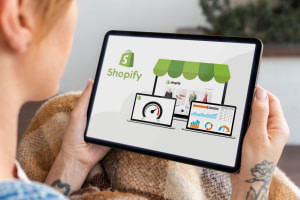 Start here: How to Start an eCommerce Business Using Shopify For when you are starting an online business. Open the free course on Alison ↗
 Better fit: How To Build A Shopify Store Masterclass For when you want to build a store from scratch. Open the free course on Alison ↗
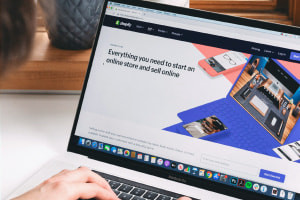 Best when: Shopify Tutorial for Beginners For when you are new to the Shopify ecosystem. Open the free course on Alison ↗
Affiliate links: CHEAPUNO may earn a commission if you buy through them, at no extra cost to you.
Other problems readers raise
Why do users leave your landing page before seeing the value?
Why checkout fails when device changes at verification
Should I use open-source or paid Shopify form apps?
Is my Shopify checkout missing Apple Pay and PayPal?
Shopify modularity vs Magento deep customization for growth?
Sources